
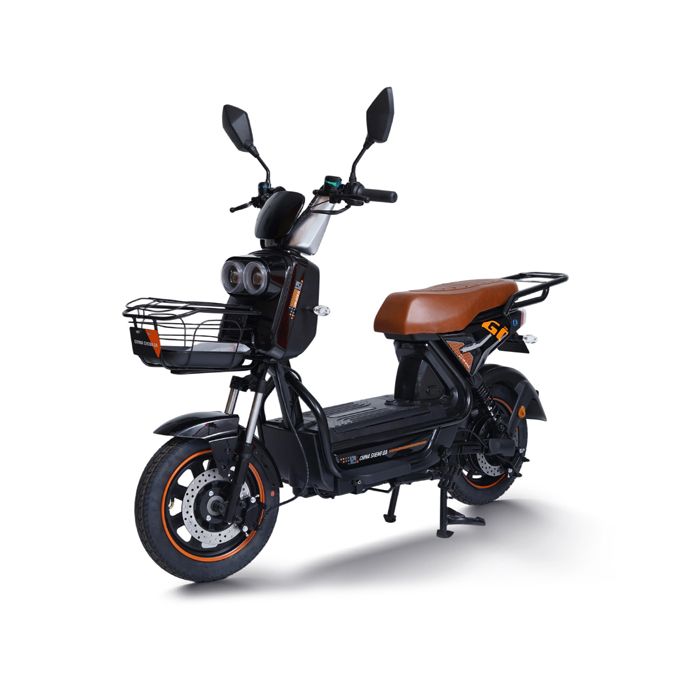
Comprehensive introduction to the performance and safety upgrades of the new electric two-wheeled vehicle
I.Core Advantages and Features of the Product
Performance upgrade: Efficient power, confidently handling diverse road conditions
1. Strong power output: Equipped with a six-phase dual-winding motor, it breaks through the power limitations of traditional electric two-wheeled vehicles. The peak power is significantly increased, and the torque is more abundant. Compared to the 800-watt motor power of ordinary electric vehicles, its power performance is more outstanding. It easily climbs hills and responds quickly when overtaking, without worrying about insufficient power. It can easily handle complex road conditions such as steep urban slopes and hilly roads, bidding farewell to the pain of struggling to climb hills, and adapts to different riding needs.
2. Endurance optimization: Equipped with a high-capacity and high-safety lithium battery, and utilizing an advanced battery management system, it supports multiple protections against overcharge, overdischarge, overcurrent, short circuit, temperature, etc. Meanwhile, it optimizes energy conversion efficiency, achieving a maximum endurance of up to 400km (IDC certified). The daily commuting version can also meet an endurance of over 200km, completely alleviating users’ “endurance anxiety” and eliminating the need for frequent charging. It balances practicality and economy, catering to long-distance travel needs.
3. Enhanced control experience: The body adopts a lightweight design, significantly reducing weight compared to traditional models. With its compact size and light weight, it offers agile steering, allowing for flexible maneuvering in congested urban roads. It can also quickly adapt to road changes on winding mountain roads, easily handling sharp turns and consecutive curves. Equipped with a sine wave controller, it delivers a stable current output, ensuring a smoother and quieter riding experience without any jerky sensations. Additionally, it features multi-mode adjustment (including economy, sports, and other modes), allowing for free switching according to the riding scenario. This balance between power and energy efficiency enhances overall riding comfort and controllability.
4. Improved energy replenishment efficiency: Supporting both fast charging and battery replacement modes, it can achieve 80% battery charge in half an hour through fast charging, and the battery replacement mode allows for “instant battery replacement”, significantly reducing charging waiting time. It is especially suitable for high-frequency riding scenarios, addressing the core pain point of users regarding “slow charging” and enhancing travel efficiency.
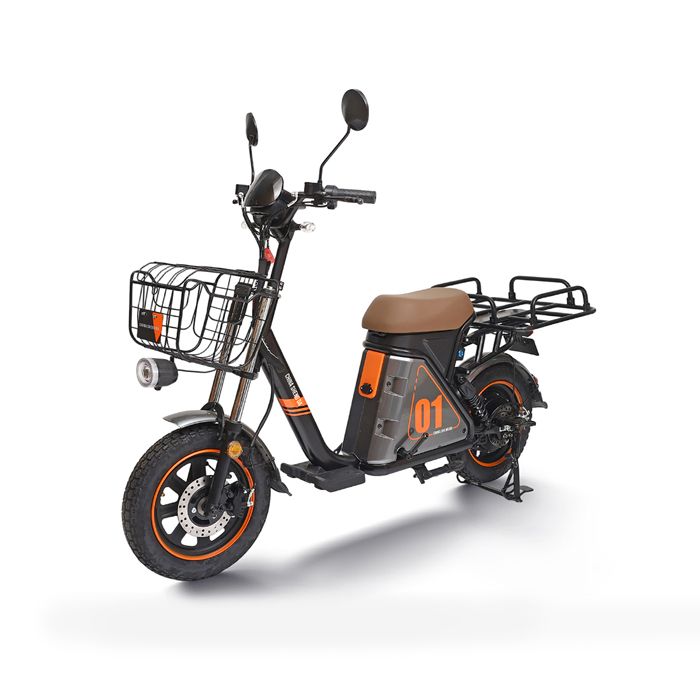
Safety upgrade: comprehensive protection, ensuring a more secure riding experience
1. Advanced Braking System: Equipped with front and rear dual disc brakes + CBS/ABS anti-lock braking system, it achieves a braking distance reduction of over 30% compared to traditional drum brakes. The CBS system can automatically distribute braking force to the rear brakes when activating the front brakes, achieving balanced braking. The ABS system can prevent wheel lock-up during emergency braking, maintain steering control, and effectively avoid accidents such as side slips and rollovers. It ensures stable braking on rainy and slippery roads, enhancing riding safety and providing confidence in dealing with complex urban traffic scenarios.
2. Vehicle Body Safety Protection: Adopting a high-strength frame design, it boasts strong impact resistance and deformation resistance, effectively withstanding collision impacts during riding. Equipped with an anti-tampering body structure and equipped with an intelligent anti-theft system, it supports remote monitoring via a mobile app and abnormal movement alarms, allowing real-time tracking of the vehicle’s location and status. This provides dual protection for vehicle safety, addressing users’ concerns about “unsafe parking”.
3. Intelligent Safety Reminder: Equipped with an intelligent dashboard, it displays real-time information such as vehicle speed, battery level, tire pressure, and fault alerts, allowing users to keep track of the vehicle’s status at any time. It is also equipped with a lighting warning system, featuring high-intensity LED lights at the front and rear, which greatly improves visibility during nighttime and cloudy weather rides, reducing the risk of traffic accidents. Additionally, it has a built-in motor interruption brake lever that automatically cuts off motor power when braking, preventing accidental acceleration and further enhancing the safety factor of riding.
4. Battery Safety Assurance: Lithium batteries adopt a sealed design, which is waterproof, dustproof, and short-circuit proof. They are also equipped with battery equalization technology to extend battery life and avoid safety hazards such as battery swelling and leakage. If there are abnormalities (such as strange smell or overheating) during charging, the battery can automatically shut off, providing comprehensive safety guarantees for battery use and eliminating users’ concerns about the safety of electric two-wheeled vehicle batteries.
Other core advantages (SEO supplement: electric two-wheeled vehicles, smart and convenient, durable and worry-free)
1. Smart Connectivity Features: Supports smartphone app connection, enabling remote locking, unlocking, vehicle diagnostics, navigation planning, charging reminders, and other functions. Real-time monitoring of battery health, tire pressure, and potential faults allows for early problem identification, making riding more convenient. Some versions are equipped with cruise control, traction control, and other features, further enhancing the riding experience and safety.
2. Durable and easy to maintain: The body parts are made of high-quality materials, resistant to wear and corrosion, reducing daily maintenance costs. The core components (motor, battery, controller) are backed by a long-term warranty, with a comprehensive after-sales system supporting offline maintenance at service centers nationwide. This ensures a worry-free riding experience for users and reduces long-term usage costs.
3. Environmental protection and energy conservation: Zero emissions and low noise, aligning with the global trend of green travel. Free from fuel pollution, it not only meets daily travel needs but also embodies the concept of environmental protection. Additionally, with its low energy consumption, the long-term cost of use is significantly lower than that of fuel-powered two-wheeled vehicles. It balances economic efficiency and environmental friendliness, meeting policy directives and users’ environmental protection needs.
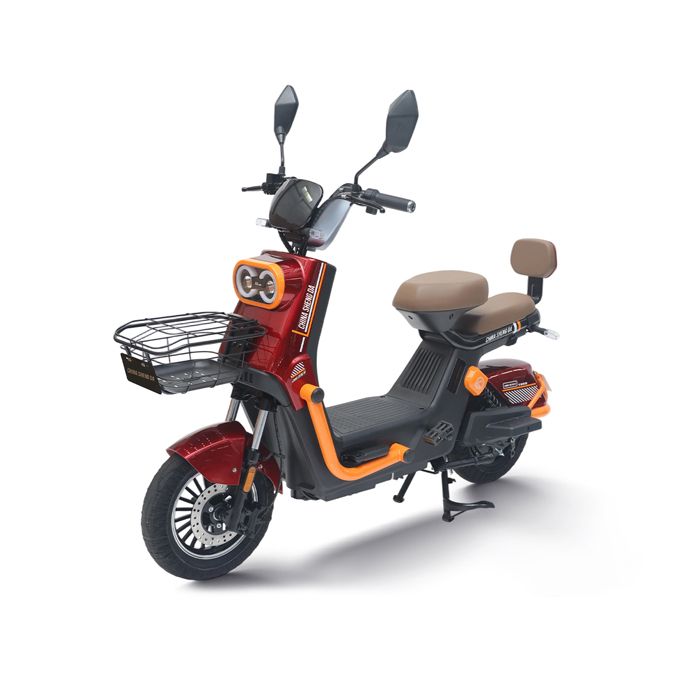
II. Instructions for Use
(I) Preparation before riding
1. Check vehicle status: Before starting the vehicle, check the dashboard to ensure sufficient battery power, normal tire pressure (refer to the vehicle manual for standard tire pressure), sensitive brakes, and normal lighting. Check the vehicle for any abnormalities such as abnormal noise or looseness. If any abnormalities are found, stop riding immediately and conduct maintenance to avoid potential safety hazards during riding.
2. Wear protective gear: Helmets must be worn during cycling, and it is recommended to wear protective gear such as goggles and gloves, especially when cycling at high speeds, as they can effectively reduce injuries in collisions. It is prohibited to ride without wearing a helmet, to eliminate potential safety hazards and comply with relevant traffic regulations.
3. Familiarize yourself with the controls: Before your first ride, familiarize yourself with the operation of the vehicle’s gears (economy, sport, etc.), brakes, and accelerator. Choose an open area to practice, master the vehicle’s steering and braking techniques, and avoid accidents caused by unfamiliar operation. To drive electric scooters/electric motorcycles, you must hold the corresponding motorcycle driving license, and it is strictly prohibited to ride without a license.
(II) Riding operation specifications
1. Startup and gear shifting: Press the vehicle start button, and after the dashboard lights up, slowly rotate the throttle to smoothly start the vehicle. Switch gears according to the riding scenario. The economy gear is suitable for daily commuting, saving energy and providing longer range; the sport gear is suitable for scenarios requiring strong power (such as climbing hills and overtaking), and it is necessary to slow down when switching to avoid dangerous sudden power changes.
2. Riding speed control: When riding on urban roads, the speed should not exceed the prescribed speed limit (25-50km/h for electric mopeds, and specified according to the model for electric motorcycles), to avoid overspeeding. On congested roads, intersections, areas around schools, and residential areas, slow down, pay attention to pedestrians and vehicles, yield to pedestrians, obey traffic rules, and refrain from running red lights or driving in the wrong direction.
3. Braking operation: During daily braking, gently squeeze the brake lever to avoid sudden braking (especially on rainy and slippery roads) to prevent the vehicle from skidding; during emergency braking, squeeze both the front and rear brakes simultaneously, with the assistance of the CBS/ABS system, to maintain vehicle stability and avoid wheel lockup; when braking, the motor will automatically cut off power, requiring no additional operation.
4. Handling Special Road Conditions: When climbing a slope, shift to the sports mode, gently press the accelerator, maintain a steady speed, and avoid stopping halfway. When riding in rainy or snowy weather, slow down, increase the braking distance, avoid sudden braking or sharp turns, and try to avoid traveling in severe weather conditions such as rainstorms. On bumpy roads or at speed bumps, slow down to reduce body vibration and protect vehicle components.
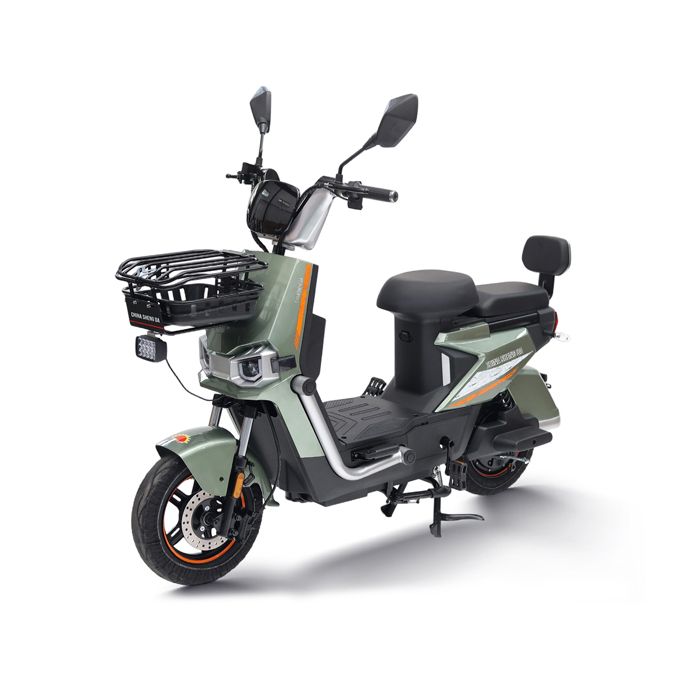
(III) Charging instructions
1. Charging timing: It is recommended to charge the battery when the remaining charge is between 20% and 30%, to avoid recharging after the battery is fully depleted (which can damage the battery). If the vehicle is not used for a long period of time, charge the battery once every 1-2 months to maintain its activity and prevent damage from battery depletion.
2. Charging Operation: Use the dedicated charger for this product. Insert the charger plug into the vehicle’s charging interface, then connect it to a household 220V power source. The charger indicator light will display “Charging” to indicate that charging has begun. During the charging process, do not touch the charger or battery, and avoid high-temperature and humid environments (such as direct sunlight, rain, and proximity to a fire source). The charging time should not be too long, and the charger should be unplugged promptly after it is fully charged (typically 8-10 hours).
3. Battery swapping operation (supporting battery swapping version): Locate the designated battery swapping station, follow the battery swapping instructions, remove the vehicle’s battery, replace it with a fully charged battery, and ensure the battery is securely installed before riding normally. When replacing the battery, avoid touching the battery interface to prevent short circuits.
4. Charging Safety: It is prohibited to charge within residential buildings or indoors at home, and to keep away from flammable materials during charging. During the charging process, if any abnormalities such as strange smell, excessive temperature, or battery swelling are detected in the charger or battery, immediately stop charging, unplug the power source, and contact customer service for maintenance. It is also prohibited to use non-original chargers for charging to avoid damaging the battery or causing safety accidents.
(IV) Daily maintenance and upkeep
1. Cleaning the vehicle: Regularly wipe down the body with a dry cloth and avoid using a high-pressure water gun for washing (to prevent water from entering electronic components). Before cleaning, disconnect the power supply of the entire vehicle. After riding in rainy weather, promptly dry the body, especially the battery connectors and motor areas, to prevent rust and short circuits.
2. Component inspection: Check the tightness of brakes, accelerator, and chain (if any) once a week and adjust them in a timely manner; inspect tire wear once a month and replace the tires if they are severely worn; regularly check battery connectors and charging connectors to ensure they are dry and clean, and avoid looseness and poor contact.
3. Battery maintenance: Avoid exposing the battery to prolonged sunlight, flooding, or immersion, and avoid severe impacts; do not disassemble or modify the battery without authorization. If the battery exhibits any abnormalities, contact customer service for assistance; adhere to the battery usage guidelines to prolong its service life.
4. Long-term parking: When the vehicle is not in use for an extended period, park it in a dry, ventilated, and shady location, away from direct sunlight, sources of ignition, and humid environments. If the battery is removable, remove it and store it properly. Charge the battery every 1-2 months to maintain its activity.
5. Modification Prohibition: It is strictly prohibited to make unauthorized modifications to the structure and performance of the vehicle body, cables, electrical components, motors, etc. It is also prohibited to alter the parameters of cables and electrical components. Failure to comply may result in a decline in overall vehicle performance, electrical component failure, shortened service life, and exclusion from warranty services. The user shall bear all responsibilities and losses arising from such actions.
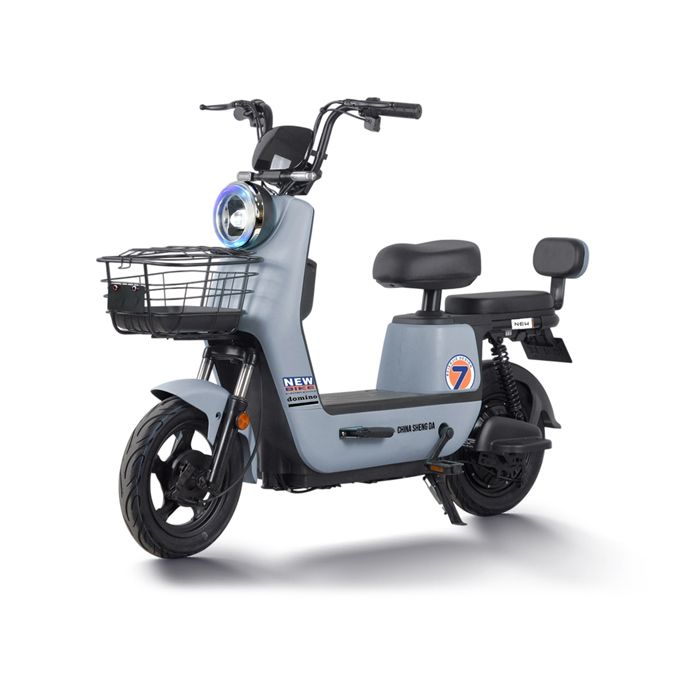
IV. Common Issues
(1) Performance and endurance
1. Q: What is the reason for the discrepancy between the actual range and the official specifications?
A: The actual range is affected by factors such as riding speed, road conditions, weather, and load (e.g., high-speed riding, climbing, rainy weather, and excessive load will increase energy consumption and shorten the range); it is recommended to switch to the economy mode, reduce sudden acceleration and braking, and control the load reasonably to improve the actual range; if the range discrepancy is too large, please contact after-sales service to check the battery status.
2. Q: What should I do if my vehicle lacks power when climbing a slope?
A: First, check whether the vehicle has been shifted to the sport mode, as it provides stronger power and is suitable for climbing slopes. If the vehicle still lacks power even after shifting to the sport mode, check the battery level (a low battery will affect power output). If the battery is fully charged, contact after-sales service to inspect whether there are any faults in the motor or controller, and troubleshoot any issues with the power system.
3. Q: What causes the vehicle to feel jerky when riding?
A: It may be due to operating the accelerator too quickly or switching gears improperly. It is recommended to rotate the accelerator smoothly and slow down when switching gears. If the operation is not the issue, it may be due to poor contact between the controller and motor. Please contact after-sales service for maintenance to avoid further malfunction.
(II) Charging and Battery
1. Q: What should I do if the charger is not charging and the indicator light is not on?
A: First, check if the charger plug and power interface are securely connected and if the power supply is normal (you can test by changing the socket); if charging still fails, check if the charger is damaged (you can test by changing it with an original charger of the same specification); if the charger is normal, contact after-sales service to check if there is a fault with the vehicle’s charging interface or battery.
2. Q: What should I do if the battery life noticeably decreases after being used for a while?
A: Lithium batteries experience normal wear and tear. After 1-2 years of use, a slight decrease in battery life is a normal phenomenon. It is recommended to optimize charging habits (avoid over-discharging and over-charging) and perform regular battery maintenance. If the battery life decreases significantly (such as falling below 50% of the official rating), contact customer service to inspect the battery and, if necessary, replace it (within the warranty period, corresponding warranty services are available).
3. Q: Is it normal for the battery to heat up while charging?
A: It is normal for the battery to generate slight heat (not hot to the touch) during charging, which is caused by the heat generated during the energy conversion process. If the battery exhibits severe heating, feels hot to the touch, emits an odor, or swells, immediately stop charging, unplug the power source, contact customer service for maintenance, and do not continue to use it to avoid potential safety hazards.
(III) Safety and Fault Categories
1. Q: What should I do if the brakes are not responsive when riding?
A: Check the tightness of the brake lever and adjust the brake screw slightly if necessary. If the brakes are still not responsive, check whether the brake pads are severely worn (replacement is required if they are excessively worn) and whether the brake oil is sufficient (for hydraulic disc brake versions). If the issue cannot be resolved by yourself, contact after-sales service for maintenance to ensure the brake system is functioning properly and avoid potential safety hazards during riding.
2. Q: What causes the abnormal noise from the vehicle?
A: The abnormal noise may originate from the brake (brake pad wear, brake looseness), motor, chain (if present), and other components; check whether the brake is loose and the chain lacks lubrication, and adjust and lubricate them in a timely manner; if the abnormal noise persists, contact after-sales service for troubleshooting to avoid component damage.
3. Q: If my vehicle is stolen, how can I retrieve it through the intelligent anti-theft function?
A: Open the mobile app and click on “Vehicle Location” to check the real-time position of the vehicle. If the vehicle moves abnormally, the app will receive an alarm notification. Contact the police immediately and provide the vehicle’s location information to assist in recovery. At the same time, contact the after-sales service to report the theft of the vehicle and seek further assistance.
4. Q: What should I do if the bike suddenly cuts off during the ride?
A: First, check whether the battery is loose and the battery interface is poorly connected. Reinstall the battery and firmly plug in the interface. If the power still cuts off, check whether the vehicle has triggered overload protection or short circuit protection. Turn off the vehicle power, let it sit for 5-10 minutes, and then restart it. If it cannot be restored, contact after-sales service for maintenance and troubleshooting of circuit, motor, and other faults.