
With the continuous increase in urban delivery demand and increasingly strict environmental policies, the logistics industry is actively seeking transportation tools that balance efficiency and sustainability. Cargo electric tricycles with high load capacity and flexibility are gradually entering the vision of operators, providing a reliable solution for urban heavy cargo transportation.
1、 Urban logistics pain points drive optimization of transportation capacity structure
In the urban distribution industry, end of pipe transportation has long faced multiple challenges: traditional fuel trucks are limited by traffic restrictions and parking spaces, making it difficult for them to penetrate the core areas of cities; Although conventional two wheeled electric bicycles are flexible, their load-bearing capacity is limited and cannot meet the needs of bulk cargo transportation.
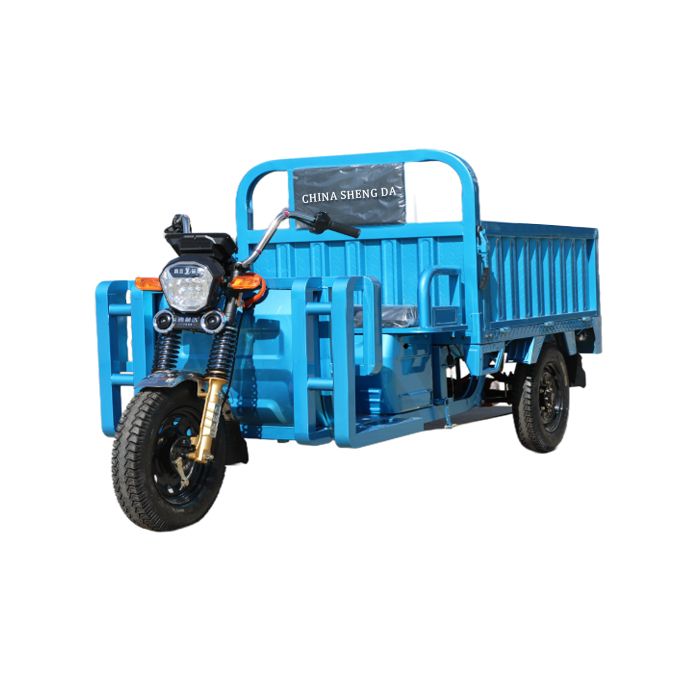
Cargo electric tricycles, with their dual advantages of load capacity and road adaptability, are becoming an important choice for logistics companies to optimize their transportation capacity structure. This type of vehicle can carry hundreds of kilograms of heavy goods and can flexibly shuttle through narrow streets and alleys, effectively filling the capacity gap in the urban freight market where large cars cannot enter and small cars cannot pull.
2、 Structural design and power system guarantee for bearing reliability
To meet the strict requirements of urban logistics for transportation efficiency and safety, Cargo electric tricycle has carried out targeted optimization in product design.
In terms of load-bearing structure, this type of vehicle generally adopts a reinforced frame and widened chassis design, which optimizes the force distribution to ensure driving stability under full load. The cargo compartment can be configured with different specifications according to transportation needs, ranging from enclosed boxes to open flat panels, suitable for various scenarios such as fresh food delivery, express delivery, and building materials transportation.
The power system is the core of ensuring the efficiency of heavy transportation. The current mainstream models are equipped with high-power wheel hub motors or mid mounted motors, combined with high-capacity power batteries, which can maintain stable power output and range under full load conditions. Some models are equipped with intelligent power control systems that can automatically adjust output power according to load and road conditions, improving energy efficiency while extending the service life of the entire vehicle.
3、 Operating cost advantages help logistics companies reduce costs and increase efficiency
From the perspective of full lifecycle cost, freight electric tricycles demonstrate significant economic advantages.
Compared to traditional fuel trucks, the electric drive system significantly reduces the energy consumption cost per unit mileage. Its structure is relatively simple, with fewer daily maintenance items, and the maintenance cost is much lower than that of internal combustion engine vehicles. For logistics companies, this means that significant optimization of operating costs can be achieved without sacrificing transportation efficiency.
Freight electric tricycles can operate normally during non restricted periods and areas in most cities, as they do not require fuel and do not produce exhaust emissions, further improving the efficiency of vehicle use and delivery time.
4、 Practicality of multi scenario application verification solution
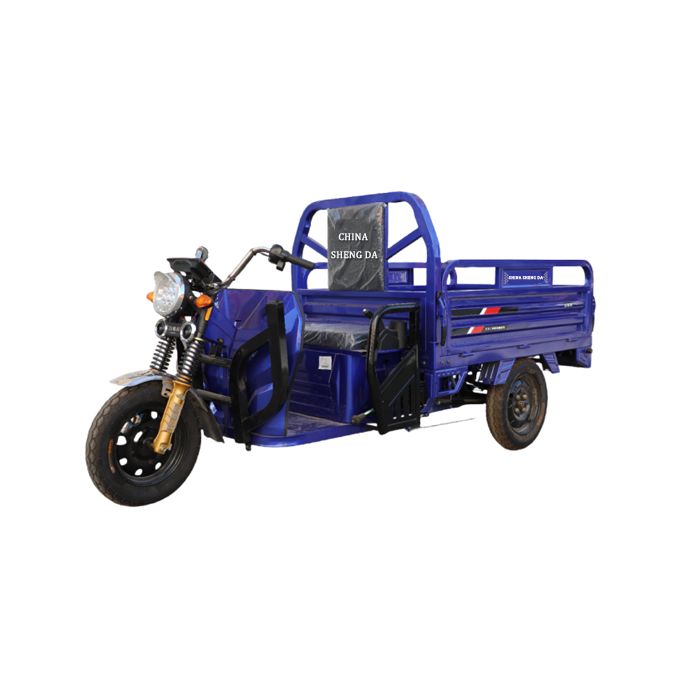
The practical application of Cargo electric tricycles has covered multiple sub sectors of urban logistics.
In the terminal delivery scenario of express delivery, this type of vehicle, with its large capacity cargo compartment and stable handling, can load hundreds of parcels at once, greatly reducing the frequency of picking up parcels from and to the station, and improving the efficiency of single delivery. In the field of fresh food cold chain distribution, some vehicle models have achieved efficient transportation of temperature sensitive goods by installing insulation boxes and refrigeration equipment. In the municipal service industry, freight electric tricycles are also widely used in scenarios such as greening maintenance, environmental sanitation cleaning, and equipment inspection, becoming an important auxiliary tool for urban infrastructure maintenance.
With the increasing attention to carbon emissions in the transportation industry, the green transformation of urban logistics has become a consensus in the industry. As a zero emission transportation tool, the promotion and application of Cargo electric tricycles can help reduce the carbon footprint of urban freight transportation.
From the perspective of resource utilization efficiency, this type of vehicle has a better environmental impact in manufacturing, use, and recycling than traditional fuel commercial vehicles. Its low energy consumption characteristics and long lifespan design are in line with the concept of circular economy, providing a practical and feasible path for logistics enterprises to achieve sustainable development goals.
Against the backdrop of sustained growth in urban distribution demand and increasing environmental requirements, freight electric tricycles are gradually becoming an indispensable component of urban logistics systems due to their comprehensive advantages of large load capacity, high efficiency, and low cost. For operators seeking to optimize their end of line transportation capacity structure, choosing a heavy-duty transportation solution that suits their own business needs will help build sustainable operational capabilities in the increasingly fierce market competition.