
Analysis of the current development status and application prospects of the electric tricycle market
I. Current Market Development In recent years, the global electric tricycle market has exhibited a steady growth trend. This trend is primarily driven by three major factors: the surge in urban logistics and distribution demand, the increasing demand for convenient mobility tools in an aging society, and the support for green mobility policies under the dual carbon goals of various countries.
The Chinese market holds a dominant position in the production and application of electric tricycles, with a highly mature industrial chain. In emerging markets such as Southeast Asia, South America, and Africa, electric tricycles are gradually replacing traditional fuel-powered and manually-powered tricycles, becoming the main force for short-distance passenger and freight transportation. The demand for high-end leisure electric tricycles and functional freight electric tricycles is rapidly emerging in European and American markets, with users placing greater emphasis on the design, comfort, and environmental benefits of these vehicles as alternatives to automobiles.
Currently, the market is transitioning from traditional lead-acid batteries to lithium batteries. Lightweight body materials, intelligent networking functions (such as GPS positioning and remote monitoring of battery management systems), and modular design are becoming key points of product differentiation and competition.
II. Advantages and Features
High cost-effectiveness and low operating costs: Compared to traditional fuel-powered vehicles or four-wheeled mini electric vehicles, electric tricycles have lower procurement costs. In daily use, the electricity consumption cost is much lower than the fuel cost, and the structure is relatively simple, significantly reducing maintenance costs. This makes them highly economical and practical for individual operators and small and micro enterprises.
The electric tricycle, with its extremely high adaptability to various scenarios, combines the flexibility of two-wheeled vehicles with the stability of four-wheeled vehicles. Its small turning radius and compact body size enable it to easily navigate through narrow alleys, old residential areas, and rural roads, addressing the transportation pain points of the “last mile” problem.
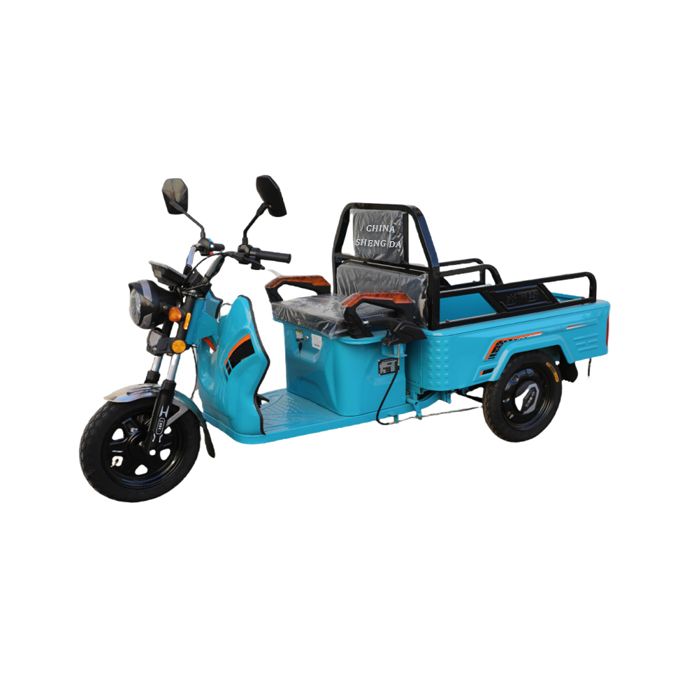
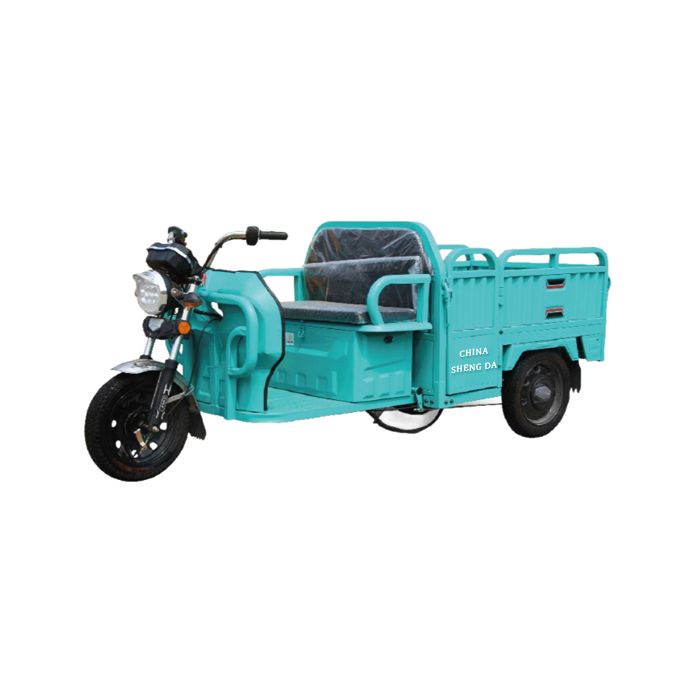
The versatility of carrying both cargo and passengers is achieved through different rear compartment designs. Electric tricycles can quickly switch between passenger transport (with rain shelters and seats) and cargo transport (with flatbeds and vans). This multifunctionality enables them to meet various needs, ranging from agricultural product transportation, express delivery, mobile catering, to daily commuter shuttles.
The three-point support structure, featuring stability and low entry requirements, provides higher physical stability compared to two-wheeled vehicles, reducing the risk of users falling due to slippery roads or while parking. Additionally, the driving operation threshold is relatively low, making it more user-friendly for middle-aged and elderly users or those who do not hold a driver’s license.
III. Application Scenarios
Last-mile logistics and delivery is currently the fastest-growing application scenario. Couriers and food delivery drivers utilize the large cargo space and long endurance of electric tricycles to complete the transportation from the delivery station to the hands of users. The van-type design also effectively protects the goods from sun and rain.
Municipal and commercial services encompass municipal environmental sanitation (garbage collection and disposal, road sweeping), landscaping, mobile vending carts (breakfast carts, mobile convenience stores), as well as internal material transfer within factory parks. Such scenarios emphasize the durability of vehicles and the potential for customized modifications.
In third- and fourth-tier cities as well as vast rural areas, electric tricycles are often used as the primary means of daily transportation for families, especially the covered passenger models, which are suitable for picking up and dropping off children, providing transportation for the elderly, or facilitating household purchases.
In Europe, America, and tourist cities, leisure and special freight transportation, leisure electric tricycles (such as inverted tricycles) and heavy-duty freight tricycles are emerging as new trends. They are used for household shopping in high-end communities, parent-child outings, or as sightseeing shuttle tools in tourist attractions.
IV. Instructions for Use
1. Initial inspection and adjustment of tire pressure and braking: Before first use, it is necessary to check whether the tire pressure meets the standard and test the sensitivity of the front and rear braking systems (brakes).
Familiarize yourself with the center of gravity: Electric tricycles differ from two-wheeled vehicles when making turns. Due to the fixed rear wheels, the turning speed should not be too fast, and sufficient turning radius should be reserved to prevent rollover.
2. Battery usage and maintenance charging habits: It is recommended to charge the battery when it has 20%-30% of charge remaining, to avoid completely draining the battery. When charging, use the original charger and do so in a well-ventilated environment, away from flammable materials.
Storage environment: If not in use for a long period, the battery should be fully charged, disconnected, and stored in a dry, cool place. Lithium battery models should avoid being parked for extended periods in extreme heat or cold, as this may affect the battery’s activity.
3. Overloading is strictly prohibited in accordance with load and driving regulations: The rated load specified for the vehicle must be strictly adhered to. Overloading not only significantly shortens the lifespan of the motor and tires, but also significantly increases braking distance, posing safety hazards.
Road condition adaptation: Try to avoid starting or driving with a full load on steep slopes that exceed the design standards. When passing through speed bumps or potholes, slow down to reduce the impact on the suspension system and frame.
4. Regular maintenance and inspection of key components: It is recommended to conduct an inspection of the wear level of brake pads, the tightness of steering bearings, and the depth of tire tread patterns every 3-6 months.
Waterproof measures: Although most vehicles have basic waterproof capabilities, it is recommended to promptly wipe away any water stains on the controller and battery interfaces after driving in rainy weather to avoid circuit malfunctions caused by water accumulation.
As management policies for low-speed electric vehicles are gradually improved across various regions, compliant models that meet national standards will gain greater market space. As the cost of lithium batteries continues to decline, the replacement of lead-acid batteries with lithium batteries will become an irreversible trend, resulting in lighter vehicle weights and longer cycle lives. With the penetration of Internet of Things technology, smart electric tricycles equipped with remote vehicle locking, real-time positioning, and fault diagnosis functions will play a greater role in the fields of shared mobility and fleet management.